 Digitalbino
The Power of Personalization: Turning Data Into Meaningful Customer Journeys
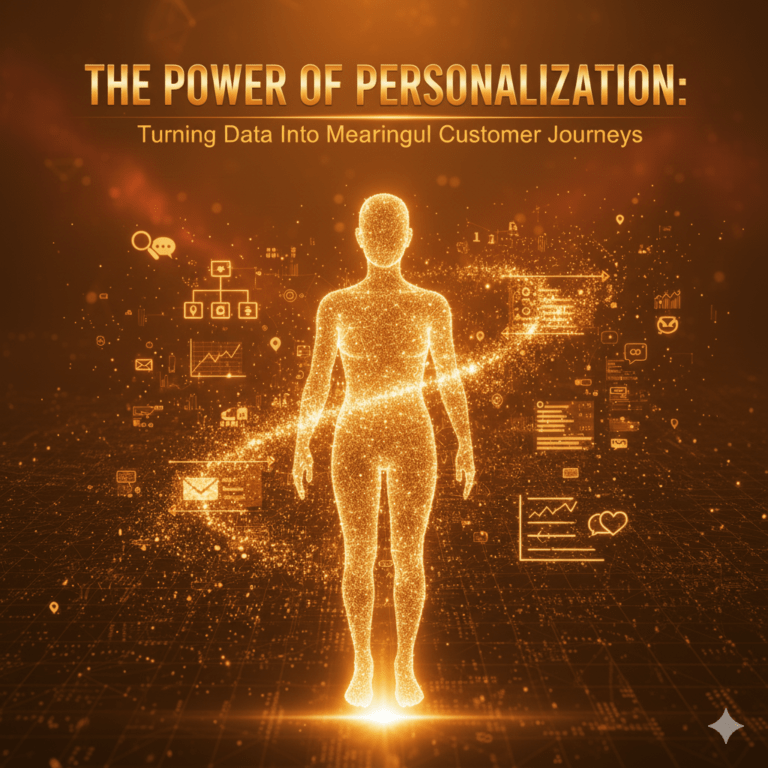
In today’s competitive digital world, customers expect brands to know them — not just their name, but their preferences, needs, and timing. Personalization is no longer a “nice-to-have.” It’s a growth driver. According to industry reports, 80% of consumers are more likely to buy from brands that offer personalized experiences.
At Digital Binos, we help businesses turn raw data into tailored, meaningful customer journeys that build trust, loyalty, and conversions. Here’s how personalization can transform your marketing strategy.
1. Why Personalization Matters More Than Ever
The modern consumer is bombarded with ads and messages daily. What cuts through the noise?
-
Relevant recommendations (“You might also like…”).
-
Timely messages (reminders just when they’re needed).
-
Content tailored to their interests (not generic marketing blasts).
Personalization shows that you value your customers as individuals — not just numbers. This builds emotional connection and long-term loyalty.
2. Collecting the Right Data
Personalization starts with data — but not just any data. The key is collecting information that drives action.
-
Behavioral data: Website visits, clicks, cart abandonment.
-
Demographic data: Age, location, preferences.
-
Transactional data: Past purchases, average spend.
-
Engagement data: Email opens, social interactions.
Tools like Google Analytics, CRM systems, and marketing automation platforms help gather this data in real time.
3. Creating Customer Segments
Not every customer is the same. Personalization works best when you group audiences by shared traits:
-
First-time visitors vs. repeat buyers
-
High-value customers vs. deal-seekers
-
Abandoned cart users vs. loyal subscribers
This allows you to craft campaigns that speak to each group’s specific needs and motivations.
4. Delivering the Right Message at the Right Time
Timing is everything. Data-driven personalization helps you:
-
Send a discount email right after cart abandonment.
-
Show product recommendations after a customer browses your site.
-
Trigger a welcome message as soon as a lead subscribes.
This creates a seamless, guided experience — leading customers closer to conversion.
5. Personalization Across Channels
To truly impress, personalization should be consistent across every touchpoint:
-
Website: Dynamic landing pages with personalized offers.
-
Email: Customized subject lines and product suggestions.
-
Social Media: Ads retargeted based on browsing behavior.
-
SMS & WhatsApp: Timely reminders and exclusive deals.
The result? A customer journey that feels connected and relevant.
6. Measuring Success
Personalization isn’t a one-time effort — it’s a continuous process of testing and improving. Track metrics like:
At Digital Binos, we use these insights to refine campaigns and make them even smarter over time.
Conclusion
Personalization is not just about using a customer’s first name in an email — it’s about designing a journey that feels tailored, effortless, and valuable. By turning data into actionable insights, brands can create meaningful interactions that convert casual browsers into loyal advocates.